Beagle Weight by Age: 13-Inch vs 15-Inch Size
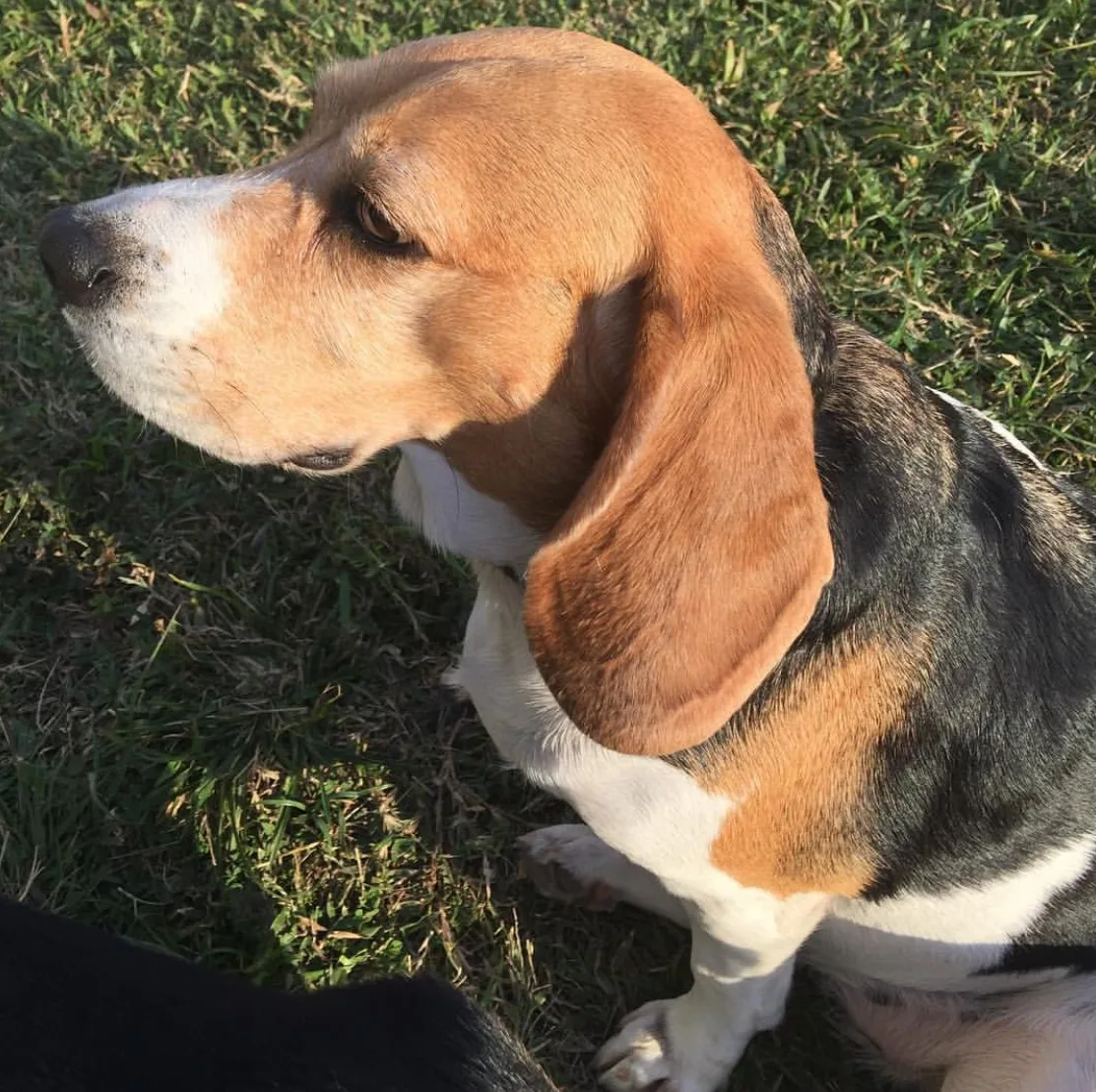
Photo: Floodmfx via Wikimedia Commons, CC BY-SA 4.0
Beagles are merry, compact scent hounds. Owners often want a single “correct” weight for every age. The AKC Official Standard of the Beagle defines size primarily by height, with two varieties. This guide sticks to that language, then explains how to track growth with your veterinarian—without invented month-by-month charts.
What the AKC standard says about size
The standard describes a miniature Foxhound: solid and big for his inches, with the wear-and-tear look of a hound that can last in the chase. On varieties it is specific:
- Thirteen Inch: hounds not exceeding 13 inches in height.
- Fifteen Inch: hounds over 13 but not exceeding 15 inches in height.
- Disqualification: any hound measuring more than 15 inches.
That language is about conformation classes—not a promise that every healthy adult will land on one scale number, and not a growth calendar for puppies. The AKC Beagle breed page introduces the breed’s hunting and companion roles.
Weight vs height (read carefully)
Some online charts invent neat pound bands for “13-inch” and “15-inch” Beagles. The official standard text you can open above is height-based. The AKC also publishes a general Breed Weight Chart that lists Beagle entries among many breeds; treat any single cell as a rough reference at most, and let your veterinarian interpret your dog’s weight with body condition—not a screenshot.
Puppy growth: track trends, not internet charts
There is no official AKC month-by-month Beagle weight table in the breed standard. Puppies grow at different rates. Research such as Salt et al. (2017) in PLOS ONE discusses growth-standard charts for monitoring bodyweight in dogs as a general research topic—not a DIY diagnosis tool for one breed.
Practical approach with your vet:
- Weigh on the same scale when you can, and write the date and number down.
- Bring the log to wellness visits.
- Ask your vet to score body condition (see the WSAVA Dog Body Condition Score chart), not only the scale number.
- Follow your vet’s feeding plan. VCA’s feeding-growing-puppies overview is general education; your puppy’s plan is individual.
Why lean matters for Beagles
VCA’s Beagle overview states that Beagles are prone to obesity, which can worsen joint and spinal conditions, and that strong appetite and food motivation require careful portion control. VCA’s obesity overview explains overweight vs obese thresholds and why simply shrinking a random cup of food without veterinary guidance can create nutrient problems.
See our food-motivation guide for more on that topic.
What this guide does not do
- Predict adult weight from a single puppy weigh-in.
- Invent official pound bands the breed standard does not state.
- Replace a veterinary exam, nutrition plan or diagnosis.
If your Beagle’s weight, appetite or energy changes suddenly, call your veterinarian.
Frequently asked questions
How big do Beagles get?
The AKC Official Standard of the Beagle defines size by height at the withers, not by a single adult weight. There are two varieties: Thirteen Inch (not exceeding 13 inches) and Fifteen Inch (over 13 but not exceeding 15 inches). Hounds measuring more than 15 inches are disqualified in conformation under that standard.
Does the AKC Beagle standard list official adult weights?
The published Official Standard focuses on height varieties (13-inch and 15-inch). It does not set separate official weight bands the way some breed standards do. Ask your veterinarian what a healthy weight and body condition look like for your individual dog.
Is there an official month-by-month Beagle puppy weight chart?
The AKC breed standard does not provide a month-by-month growth table. Growth varies by individual. Salt et al. (2017) published research on growth-standard charts for dogs in general; your veterinarian is the right person to interpret serial weigh-ins for your puppy.
Why do Beagles gain weight so easily?
VCA notes that Beagles are prone to obesity and have strong appetite and food motivation. Obesity can worsen joint and spinal conditions. Keeping a lean body condition is a wellness topic to discuss with your veterinarian—not a substitute for veterinary care.
How should owners read the AKC Breed Weight Chart for Beagles?
The AKC publishes a Breed Weight Chart as a general reference, but the Official Beagle Standard’s conformation size language is height-based. Prefer body-condition scoring with your vet over chasing a single chart cell, especially if chart entries look inconsistent or incomplete for your dog.
A quick note: this guide is general information from published sources, written by dog lovers, not a veterinarian. Your own vet knows your dog's history, so check with them before changing food, exercise or treatment.
Sources
- AKC: Official Standard of the Beagle (PDF)
- AKC: Beagle breed information
- AKC: Breed Weight Chart
- VCA Animal Hospitals: Beagle breed overview
- VCA Animal Hospitals: Obesity in Dogs
- WSAVA: Dog Body Condition Score chart
- Salt et al. (2017): Growth standard charts for monitoring bodyweight in dogs, PLOS ONE
- VCA Animal Hospitals: Feeding Growing Puppies
Keep reading

Beagle Obesity and Food Motivation: Vet-Sourced Guidance
Why Beagles are prone to weight gain, what VCA says about portion control and treats, and how to talk with your veterinarian—without invented diets or 'we tested' claims.


Beagle Howling, Barking and Scent-Driven Behavior
Why Beagles bay, howl and follow their noses—framed with AKC and VCA guidance—and how to plan training without promising a silent dog.